
Uncategorized

Why Stainless Steel Is Preferred in Surgical Instruments – Reusable and Disposable

When it comes to surgical tools, stainless steel is the top choice across hospitals, clinics, and surgical centers in the USA and worldwide. But why is it preferred for both reusable and disposable instruments?

Let’s explore the reasons that make stainless steel the gold standard in surgical manufacturing.

Why Stainless Steel? Top Benefits

1. Corrosion Resistance

Surgical instruments must withstand sterilization, moisture, and blood exposure. Stainless steel resists rust and stains, even after repeated use or autoclaving.

2. High Durability

From delicate scissors to heavy-duty forceps, stainless steel is strong and long-lasting. It maintains sharpness, structure, and reliability during repeated procedures.

3. Easy to Sterilize

Whether you’re using autoclaves, chemical disinfectants, or ultrasonic cleaners, stainless steel is safe and effective for all sterilization methods.

4. Biocompatibility

It’s non-toxic and safe to use inside the body. Stainless steel is hypoallergenic and doesn’t cause tissue irritation.

Reusable vs Disposable Instruments: How Stainless Steel Fits Both

Reusable Stainless Steel Instruments

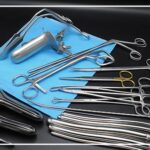
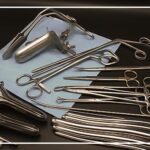
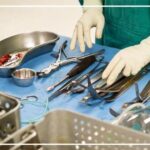
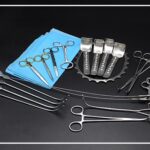
Tools like needle holders, surgical scissors, and retractors are made from medical-grade stainless steel. These instruments are:

  • Autoclavable
  • Durable for years
  • Cost-effective over time

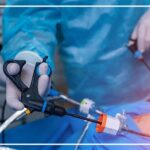
Disposable Stainless Steel Instruments

For single-use needs (like outpatient kits or emergency care), stainless steel is still preferred due to its:

  • Sterility
  • Strength
  • Safety in one-time procedures

Types of Stainless Steel Used in Surgery

Different types serve different purposes. The most common are:

  • 304 stainless steel – corrosion-resistant, used in trays and tools
  • 420 and 410 stainless steel – used in blades and scissors due to hardness
  • 316 stainless steel – high resistance to chemicals and saltwater, great for implants

Stainless Steel vs Other Materials

Material

Rust-Resistance

Reusable

Safe for Sterilization

Used For

Stainless Steel

Yes

Yes

Yes

Most surgical tools

Titanium

Yes

Yes

Yes

Specialized tools

Plastic

No

No

No

Cheap disposables

Aluminum

Sometimes

Limited

No

Not used in surgery

Why Euphoric International Uses Surgical-Grade Stainless Steel

At Euphoric International, we manufacture high-quality surgical instruments using certified stainless steel. All our instruments are:

  • Rust-free
  • Autoclavable
  • Available in satin or mirror finish
  • Tested for USA and international quality standards

Whether you need reusable scissors or disposable kits, we offer instruments trusted by clinics, hospitals, and surgeons.

Satin Finish: Why It Matters in Surgical Instruments

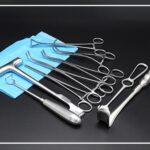
A satin finish reduces glare from operating room lights and offers a smooth, non-reflective surface. This helps surgeons maintain better focus and visibility during procedures. At Euphoric International, all instruments come with a standard satin finish, with mirror finish available upon request.

Targeting Quality for USA Healthcare Providers

Our tools are engineered for medical professionals in the USA who demand:

  • Safe sterilization
  • Long-lasting materials
  • Consistent performance in every procedure

You can browse our catalog in US for general surgery, dental, OB/GYN, and urology instruments — all made from surgical stainless steel.

Frequently Asked Questions (FAQ)

  • 1. What is the best material for surgical instruments?

    Stainless steel is the most widely used due to its durability, safety, and ease of sterilization

  • 2. Do disposable surgical instruments use stainless steel?

    Yes, many disposable tools are made with lower-grade stainless steel to ensure safety even in single-use cases.

  • 3. How many times can reusable stainless steel instruments be used?

    With proper care and sterilization, they can be used hundreds of times without losing performance.

  • 4. Can stainless steel instruments rust?

    No, if properly maintained. Our instruments are made from corrosion-resistant medical-grade steel.

  • 5. Is stainless steel safe for internal surgery?

    Absolutely. It is biocompatible and safe for internal use.

Leave a Reply

Your email address will not be published. Required fields are marked *