
Gynecology Instruments, obstetrics and gynaecology

Obstetrical Instruments vs Gynecology Instruments

Obstetrical Instruments vs Gynecology Instruments - Euphoric International

Obstetrical and Gynecology Instruments

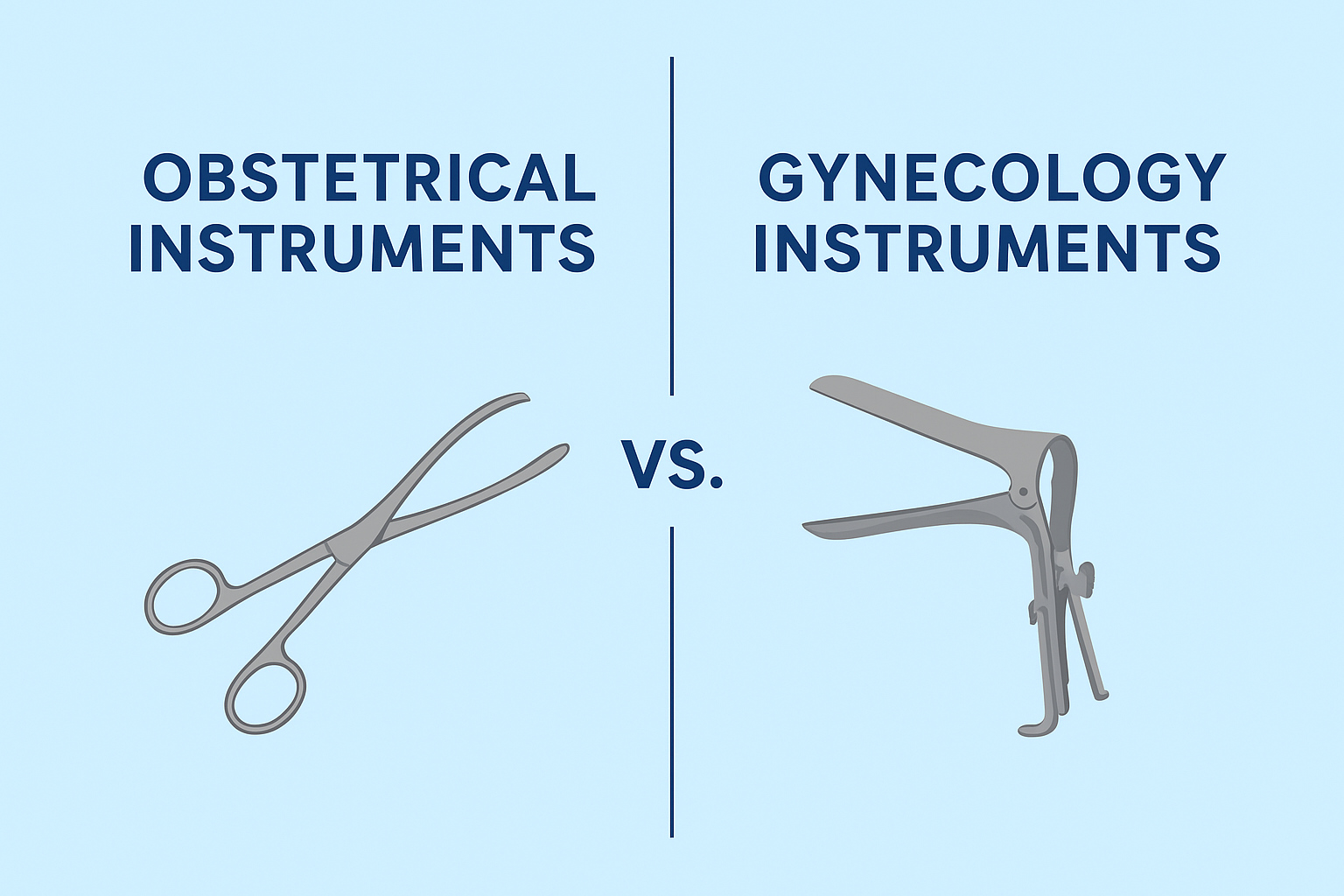
Obstetrics and gynecology are two related fields of women’s healthcare, but do they use the same tools? No. Obstetrical instruments are mainly used during pregnancy, childbirth, and postnatal care to keep both mother and baby safe. So, what about gynecology instruments? They focus on diagnosis, treatment, and surgeries related to the female reproductive system. Knowing these differences helps students, clinics, and buyers choose the right instruments for effective care.

What Are Obstetrical Instruments?

Obstetrical instruments play a vital role in supporting labor and delivery. They ensure both the safety of the mother and the newborn during challenging situations. These tools are widely used in hospitals and maternity clinics across the United States.

Common Obstetrical Forceps and Their Uses

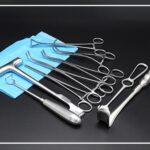
Obstetrical forceps are one of the most recognized tools in this field. They help in assisted vaginal deliveries, especially when the mother needs extra support to deliver safely. Forceps allow doctors to gently guide the baby’s head through the birth canal, reducing risks during complicated deliveries.

Other Key Tools in Obstetrics

Beyond forceps, there are several other essential obstetrical instruments. Uterine clamps are used to control bleeding after delivery. Perforators assist in precise interventions during complex cases. Placenta scoops help with cleaning and care after childbirth. Together, these tools contribute to safer maternal care.

What Are Gynecology Instruments?

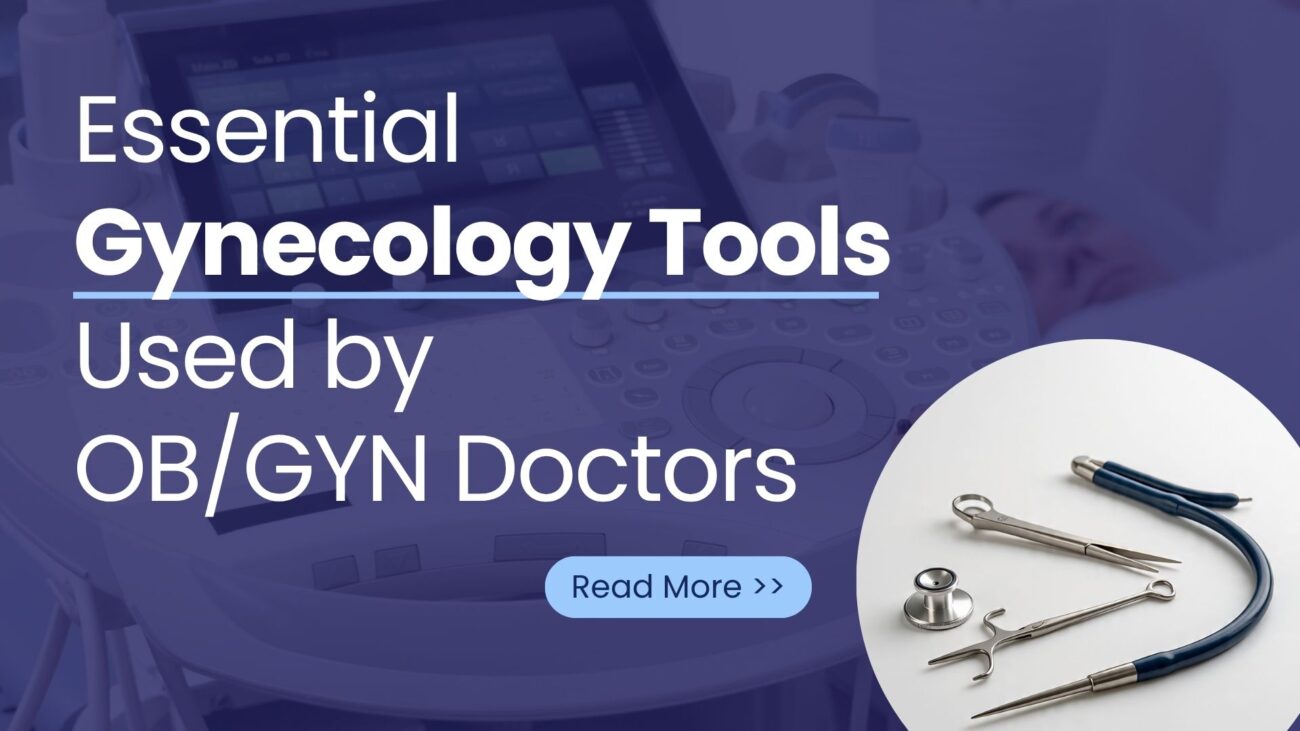
Gynecology instruments focus on the diagnosis and treatment of reproductive health issues in women. They are used in routine check-ups, minor procedures, and major surgeries. Unlike obstetrical tools, these instruments are not limited to childbirth.

Diagnostic Tools in Gynecology

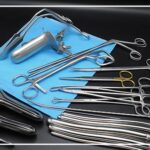
Diagnostic instruments include speculums, colposcopes, and probes. These tools allow doctors to examine the cervix, uterus, and vaginal canal. Accurate diagnosis is crucial for detecting infections, irregularities, or early signs of disease.

Surgical Instruments in Gynecology

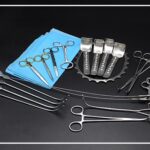
Gynecology surgeries use instruments such as dilators, curettes, scissors, and forceps designed for tissue removal or biopsy. These instruments are critical in procedures like hysterectomy, polyp removal, and D&C (dilation and curettage). Precision is essential to ensure safe and effective surgical outcomes.

Key Differences Between Obstetrical and Gynecology Instruments

While both sets of tools support women’s healthcare, their applications differ. Obstetrical instruments focus on childbirth and postnatal care, whereas gynecology instruments are broader, covering diagnosis, treatment, and surgeries unrelated to delivery. Understanding this distinction helps medical professionals choose the right instruments for each case.

Choosing the Right Instruments for Clinics and Hospitals

Clinics and hospitals in the USA must carefully select instruments based on their specialty. Facilities focusing on maternal care need a reliable set of obstetrical instruments. Meanwhile, clinics offering reproductive health services or surgeries require a wide range of gynecology instruments. High-quality stainless steel tools ensure durability, precision, and patient safety.

Final Thoughts for Students and Buyers

For medical students, learning the differences between obstetrical and gynecology instruments builds a strong foundation in women’s healthcare. For buyers and clinics, investing in the right tools supports safe and effective patient care. Whether it’s forceps in obstetrics or diagnostic tools in gynecology, choosing high-quality instruments makes all the difference.

Leave a Reply

Your email address will not be published. Required fields are marked *