
Gynecology Instruments, obstetrics and gynaecology

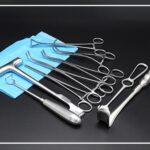
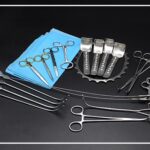
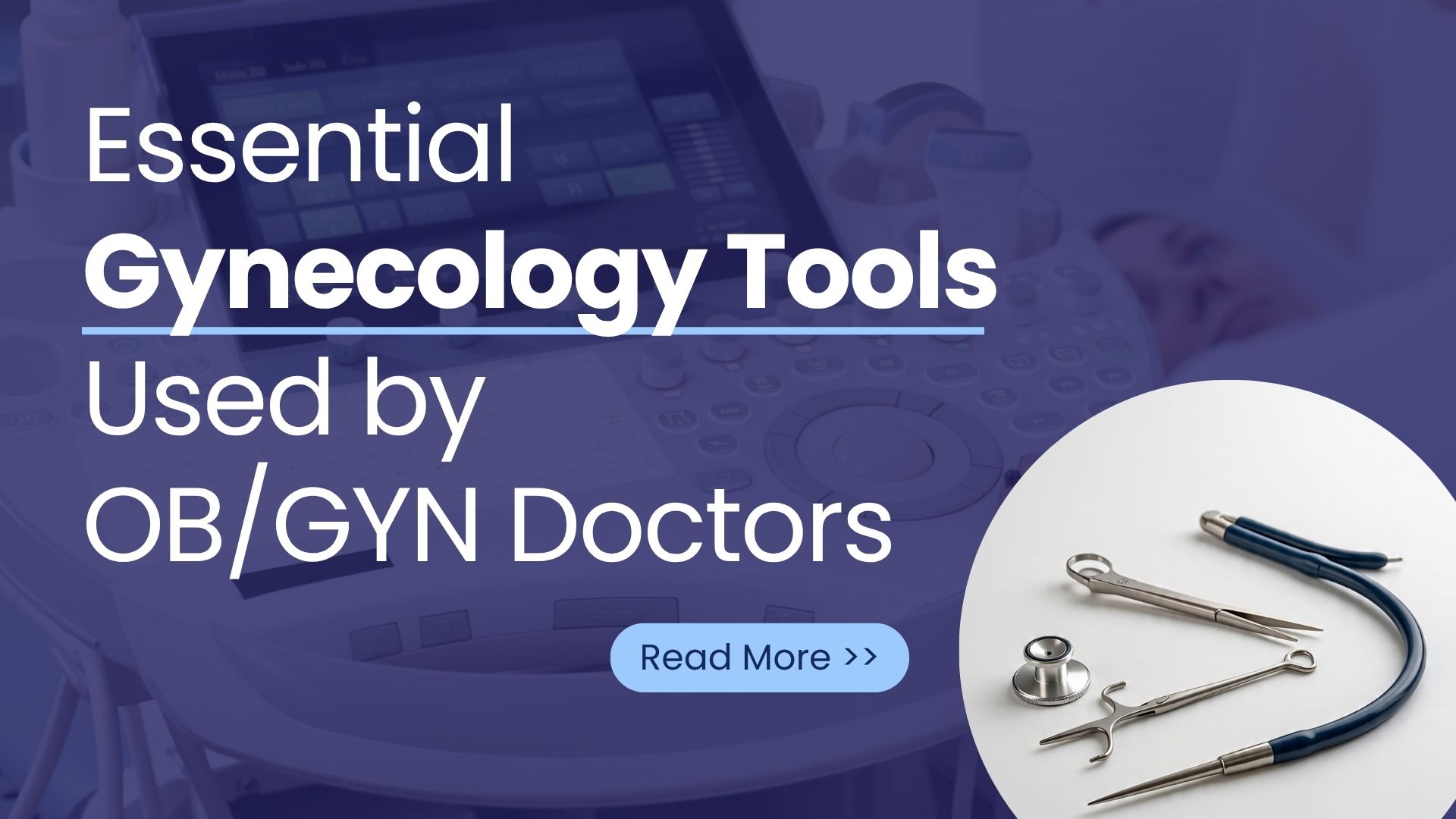
Essential Gynecology Tools Used by OB/GYN Doctors in the USA

Essential-Gynecology-Tools-Used-by-OB-GYN-Doctors-in-the-USA-Euphoric-International

Why Gynecology Tools Matter in Womenโ€™s Healthcare

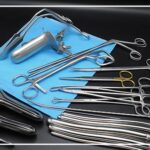
High-quality gynecology instruments are the foundation of safe and effective women’s healthcare. From diagnosing cervical issues to managing childbirth complications, OB/GYNs rely on specialized tools for every stage of reproductive health. These tools help ensure accuracy, safety, and patient comfortโ€”whether itโ€™s a routine checkup or a complex surgical procedure.
In the USA, medical practices demand tools that meet strict quality standards, and reusable gynecology instruments have become increasingly popular due to their durability and cost-effectiveness. In this blog, weโ€™ll explore some of the most essential gynecology tools used in clinics and hospitals across the country.

Cervical Biopsy Tools - For Detecting Cervical Issues Early

Cervical biopsy tools help collect tissue samples from the cervix to check for abnormal or precancerous cells. Instruments like the Alexander Biopsy Forceps and Biopsy Forceps Complete with Handle and Tip provide accurate sampling with minimal discomfort. These are essential during Pap smears or cervical screenings.

Tenaculum Forceps - For Holding the Cervix Steady

Tenaculum forceps gently grasp and hold the cervix during procedures like IUD placement or cervical exams. Popular types include Braun, Pozzi, Schroeder, and Wilson Tenaculum Forceps. Their firm grip helps OB/GYNs perform safe and accurate interventions.

Uterine Dilators - For Opening the Cervix Safely

Uterine dilators are used to gently widen the cervix during procedures like hysteroscopy or D&C. Common types include Hank Uterine Dilators and Hegar Uterine Dilators. These instruments come in gradual sizes for controlled and gentle dilation.

Uterine Sounds - For Measuring Uterine Depth Accurately

Uterine sounding tools help OB/GYNs check the length and direction of the uterus before placing an IUD or performing surgery. Instruments like the Sims Uterine Sound and Valleix Uterine Sound ensure safe and accurate measurements.

Fistula Repair Instruments - For Reconstructive Procedures

Fistula Repair tools help repair vaginal or rectal fistulas caused by injury or childbirth. Common instruments include the Simon Fistula Hook, Emmett Fistula Hook, and Lyre Canonization Knife. They assist in removing or closing fistula openings during surgical correction.

Polypus and Seizing Forceps - For Removing Uterine Growths

Uterine polypus and seizing forceps are designed to grasp and remove uterine polyps or clots. Tools like the Heywood-Smith Uterine Polypus Forcep, Dartigues Uterine Seizing Forceps, and Uterine Polypus Forceps are commonly used during D&C or hysteroscopy.

IUD Insertion Instruments - For Effective Birth Control Placement

IUD tools are used to place or remove intrauterine contraceptive devices. Products like the IUD Grasping Forceps, IUD Removal Hook, and Cohen Uterine Annular help in safe and accurate IUD procedures.

Vaginal Access Tools - Speculums and Retractors for Clear Visibility

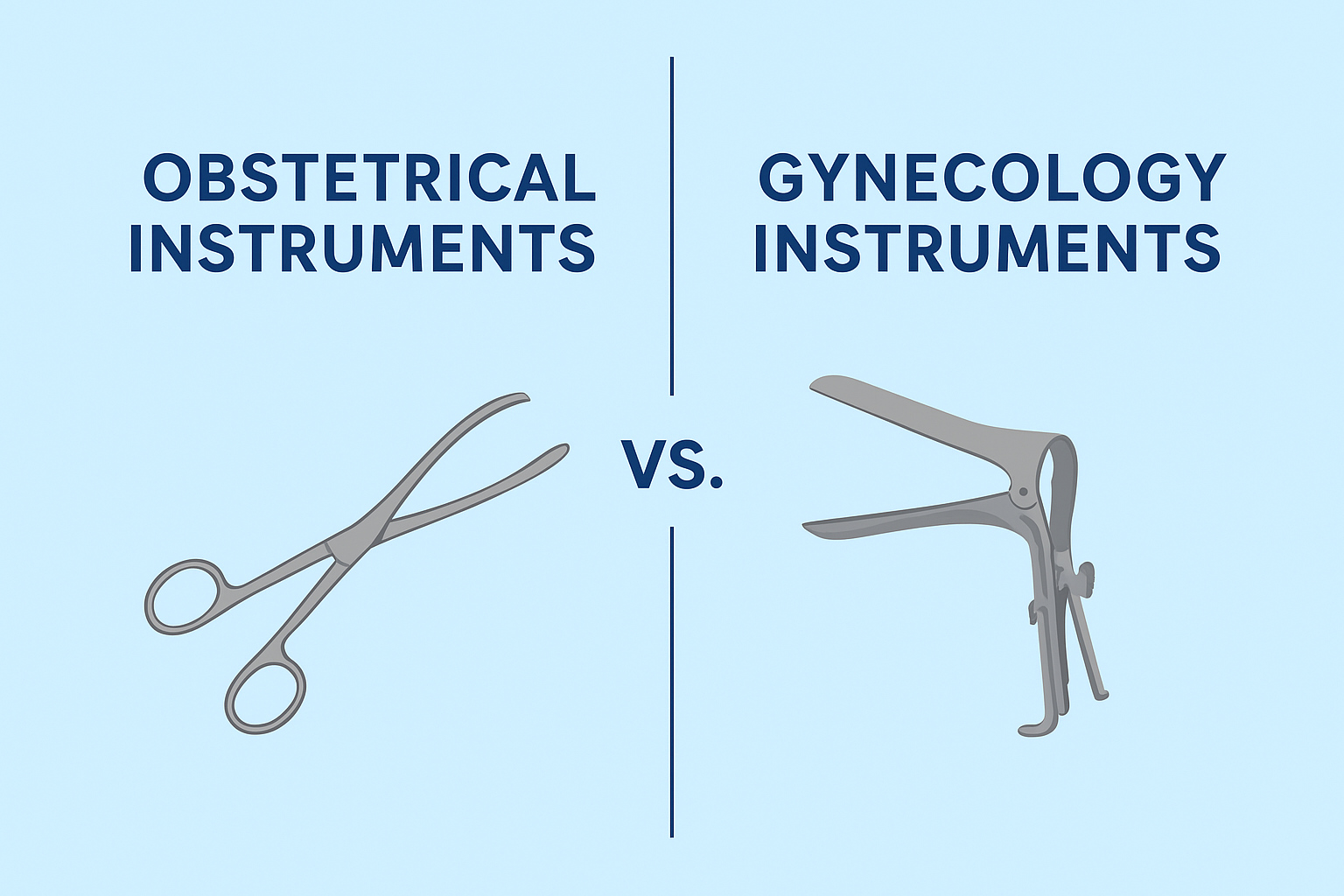
Endocervical Speculums open the vaginal canal for exams or procedures, while retractors hold tissues back for better visibility. Instruments include the Kogan Endocervical Specula, Cusco Speculum, Graves Speculum, and Sims Retractor.

Reusable vs. Disposable OB/GYN Tools - Whatโ€™s Better in 2025?

U.S. clinics are increasingly choosing reusable surgical instruments made from high-quality stainless steel. These tools offer better value, durability, and eco-friendliness. Reusable tools are easy to sterilize and reduce medical waste.
Want to explore the benefits further? Check out our full blog on Reusable vs Disposable Surgical Instruments: Which is Better in 2025?

Conclusion

Investing in the right OB/GYN tools is key to providing safe, efficient, and patient-friendly gynecological care. From cervical biopsies to IUD insertions, each instrument plays a critical role in womenโ€™s health. U.S. clinics increasingly prefer high-grade, reusable tools for their long-term value, precision, and eco-friendliness.

By selecting quality instrumentsโ€”like tenaculum forceps, uterine sounds, and biopsy toolsโ€”you not only improve patient outcomes but also align with best practices followed by leading OB/GYNs in the USA. Keep your medical setup updated with reliable, stainless steel instruments built for modern gynecological care.

FAQs about OB/GYN Instruments

  • 1. What are the essential gynecology tools used in OB/GYN practice?

    Answer: Core gynecology tools include cervical biopsy forceps, tenaculum forceps, uterine dilators, uterine sounds, speculums, and IUD insertion instrumentsโ€”used for diagnostic exams, procedures, and minor surgeries.

  • 2. What is a tenaculum forceps used for in gynecology?

    Answer: Tenaculum forceps hold the cervix steady during exams or procedures like IUD insertions or biopsies. Types include Braun, Pozzi, and Schroeder tenaculums.

  • 3. What tools are used to insert and remove an IUD?

    Answer: IUD insertion kits often include grasping forceps, a uterine sound, IUD removal hooks, and uterine speculums for proper placement and removal.

  • 4. Whatโ€™s the difference between Hank and Hegar uterine dilators?

    Answer: Hank dilators have a slight curve and stop collar for safer dilation, while Hegar dilators are straight and used for more gradual cervical dilation during procedures.

  • 5. Are OB/GYN tools reusable or disposable in the USA?

    Answer: Most U.S. clinics prefer reusable gynecology tools made from stainless steel due to their durability and cost-effectiveness.

  • 6. What are the most important tools used in cervical biopsy?

    Answer: Common biopsy tools include the Alexander Biopsy Forceps and Biopsy Forceps with interchangeable tips, used to safely extract tissue samples from the cervix.

Leave a Reply

Your email address will not be published. Required fields are marked *