
Manicure Instruments

Scissor Skills: How to Use Embroidery, Tailor, and Razor‑Edge Scissors on Nails

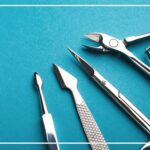
When most people think of manicure tools, they picture dedicated nail scissors or clippers — but did you know that embroidery, tailor, and razor-edge scissors can also be handy in the world of nail care? These specialty scissors may not be designed specifically for nails, but in the right hands, they offer precision, control, and surprising versatility. Here’s how you can use them wisely and safely.

1. Why Use Embroidery or Tailor Scissors for Nails?

  • Very precise cutting: Embroidery scissors are made for fine, detailed work. Their tiny, pointed tips can trim small sections of the nail or cut hangnails with more accuracy than standard nail clippers.

  • Delicate edges: Because their blades are sharp and thin, they allow for gentler clipping, which can help prevent splitting or tearing — especially useful for fragile or damaged nails.

  • Comfort and control: Tailor shears (longer scissors) give more control when shaping or trimming very long nails or artificial tips. Their ergonomic length lets you guide the cut more steadily.

2. How to Use Them Properly

  • Clean and sanitize: Always clean scissors before using on nails. Keep them disinfected, especially since embroidery scissors are often used with fabric and thread.

  • Soften your nails first: Soak your hands or feet in warm water to soften nails — this makes cutting easier and reduces the risk of chipping. This is a good tip generally for any nail scissor.

  • Make short, careful cuts: Use the tip of the embroidery scissors to snip little bits off. For bigger trimming, use longer tailor shears in controlled, steady motions.

  • Use a safe angle: When cutting near your skin, angle the blades slightly so you don’t accidentally nick the skin. Always cut away from your fingers.

  • Finish with a file: Once you’ve clipped, use a nail file or buffer to smooth any sharp edges. This helps prevent snags or cracks.

3. Maintenance Tips

  • Use the right tool for the job: Don’t use your needlework scissors for paper or nail trimming too often that dulls them faster.

  • Oil the pivot point: Just like fabric scissors, a drop of oil in the hinge keeps the blades moving smoothly and cleanly.

  • Store in a sheath or safe place: Protect the tips when not in use to avoid misaligning them or blunt the blades.

  • Sharpen wisely: If you start to feel drag or dullness, have your scissors professionally sharpened, especially if they’re tools you want to last a long time.

4. Precautions & When Not to Use Them

  • Avoid overcutting: These scissors aren’t made specifically for nails, so don’t rely on them for heavy-duty cutting — use a nail clipper for very thick or hard nails.

  • Be careful around skin: Their fine tips can slip, so always cut slowly and deliberately.

  • Hygiene must come first: Because these tools double for fabric or thread-cutting, disinfecting is more important than with regular nail gear.

5. Who Should Consider This Method

  • Nail art lovers or DIY mani‑folks looking for finer control.

  • People with delicate or brittle nails who want to minimize damage.

  • Crafty professionals who already have embroidery or tailor scissors and want to make multi‑use of their tools.

Leave a Reply

Your email address will not be published. Required fields are marked *